All Categories
Featured


Deep Analysis of the United States Performance Metrics
Table of Contents
This relocation was the result of competitive research study that went beyond copying tactics. It's a reminder to all industries that your next competitor might not look like youand that market leadership is delicate without alertness.
By the time customer habits had actually shifted, major players needed to respond from behind. Evaluating functions works, however comprehending why customers switchor stayis more powerful. Airbnb wasn't just less expensive; it lined up with a brand-new meaning of what meaningful travel appeared like. The brands that rebounded most successfully had actually currently begun rethinking their models.
It was the result of long-lasting circumstance planning and rival tracking. Many brands believe competitors just exists within their vertical. But real threatsand real opportunitiesoften emerge at the edges. Disruption can originate from companies solving different issues in surrounding markets. Beyond metrics, it is very important to understand how consumers feel about your rivals.
It exposes market shifts, recognizes consumer preferences, and helps companies reimagine their position in the market. The following examples highlight how detailed rival research can lead to transformative method changes and long-term dominance.
By the early 2000s, the competition had actually reached a point where both brand names required to do more than launch brand-new flavors or launch star endorsements. Coca-Cola embarked on a comprehensive competitor analysis, not only examining Pepsi's marketing methods however likewise evaluating market information, rates designs, and emerging youth culture trends.
Conversion Focused Web DesignFuture Industry Forecasts and Growth Factors
In action, Coca-Cola pivoted with a nostalgia-based project that strengthened its identity as an ageless, family-oriented classic. Instead of mimic Pepsi's tone, Coca-Cola selected to double down on what made it unique. This technique helped the business support its market share and safeguard its legacy, showing that competitive research is as much about refining your own voice as it is about enjoying others.
Smash hit, with its thousands of stores, appeared untouchable. But Netflix studied its competitor's weak points closely, specifically its dependence on late fees, store-based inventory, and a one-size-fits-all service model. Through a mix of customer studies, market trend analysis, and behavioral research study, Netflix recognized a clear consumer pain point: people did not like the trouble of driving to shops and paying penalties for returns.

The data pointed to a growing appetite for on-demand content and higher versatility. While Hit holds on to its retail footprint, Netflix invested in innovation and content licensing. By the time Smash hit attempted to pivot, Netflix had currently protected consumer commitment and brand name equity in the new streaming model. This is a traditional example of how competitive market research can uncover a tactical inflection point.
Advanced Market Intelligence Methodologies
It won by observing consumer frustration and using rival inertia to its advantage. With expansive retail shops, internal cafs, and curated selections, it offered an immersive experience that seemed tough to reproduce online.
By carefully analyzing Barnes & Noble's inventory expenses, supply chain, and dependence on physical locations, Amazon identified opportunities for disturbance. The company recognized that a more comprehensive product variety, faster delivery choices, and algorithmic suggestions might deal with consumer requires more effectively than in-store surfing. Amazon's early method involved expanding categories, reducing prices through scale, and optimizing logistics.
Although it ultimately developed an online shop and e-reader, the hold-up in action cost it significant ground. What sets this case apart is the scope of the analysis. Amazon was not just competing for book sales. It was mapping out the future of retail. By monitoring its rivals and adapting to digital behaviors rapidly, Amazon moved from specific niche gamer to global market leader.
Evaluating Industry Efficiency Benchmarks
Their success was not based upon mimicry. It came from a clear understanding of the market, the gaps left by rivals, and the desire to act upon those insights. Whether you are a legacy brand defending your market share or an opposition brand name looking for an entry point, competitive analysis can function as a compass.
These examples likewise demonstrate that success often comes from framing competitors in terms of customer behavior instead of just item functions. For businesses investing in competitive and market analysis today, the stakes are even higher. Markets evolve faster, clients are more notified, and technology reduces the life process of strategic advantages.
Many marketing platforms and consultancy websites use totally free or paid design templates developed to guide companies through competitive market analysis. These consist of SWOT matrices, rival profiling sheets, and comparison dashboards. A good design template will assist guarantee you think about key components such as target audiences, rates, worth proposition, customer experience, and digital footprint.
Reports from sources like Statista, IBISWorld, and Mintel offer important insights into market share, customer patterns, macroeconomic elements, and competitive shifts across industries. For companies looking to understand the wider competitive landscape or standard their performance, signing up for these reportsor working with a market research study agencyis often worth the financial investment.
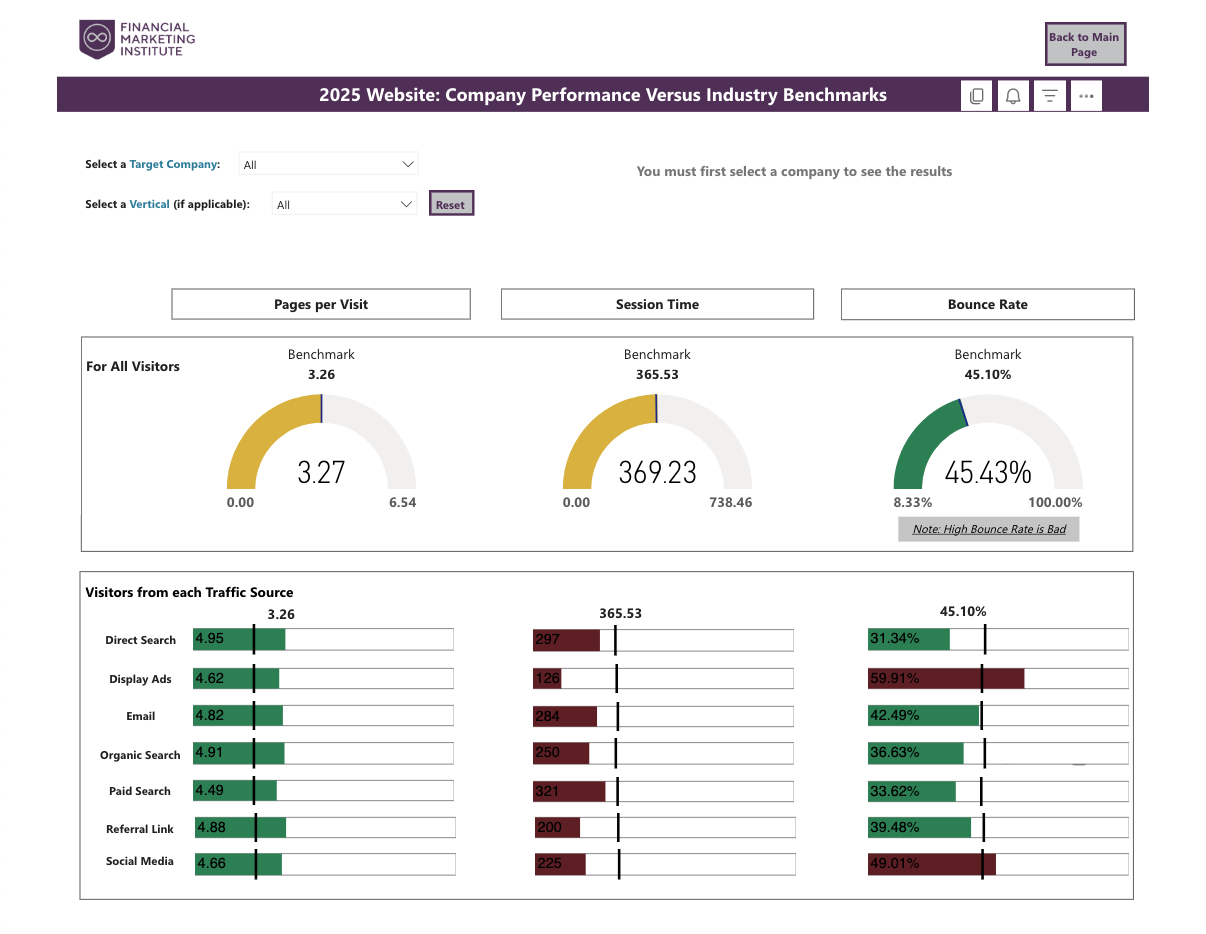
You can compare domain traffic, keyword rankings, paid advertising spend, backlink strategies, and material effectiveness. These platforms are indispensable for digital-first companies and are significantly being used by conventional players to remain competitive in online markets. Platforms such as Brandwatch, Hootsuite Insights, or Sprout Social can assist examine public understanding and monitor engagement metrics.
Side-by-Side Analysis On Industry Marketing Benchmarks
This type of insight goes beyond what conventional studies can catch and feeds into a more dynamic understanding of your rivals' brand name health. One kind of competitive research often underused is mystery shopping or competitor product screening.
These companies provide customized competitor research, consumer segmentation, trend forecasting, and benchmarking tailored to your strategic objectives. They can likewise assist in conducting market analysis and competition reviews that are particular to geographic areas or industry verticals. Whether you're in B2B or consumer markets, these tools and techniques provide scalable options to make your competitor intelligence more actionable and precise.
The most effective brand names no longer treat competitor market analysis as a one-time audit. Leading companies develop automated tracking systems that monitor market rivals across digital channels, prices databases, item listings, and press coverage.
Remaining ahead of the competition often comes down to who knows the consumer much better. Competitive research must be coupled with direct client insightcollected through interviews, surveys, and behavioral data. The overlap in between client expectations and competitor blind areas is where advancement opportunities frequently lie. Knowing your competitors is necessary, however simply copying them will not guarantee market share.

Latest Posts
How Evidence-Based Marketing Improve ROI
Strategic Marketing Benchmarks Based From Domestic Data

Leveraging Data-Backed Growth Models